Early test build

Lost in
Translation

Learn Spanish by solving crimes

A detective game where every witness speaks Spanish. Interview them, search the scene to check whether they told you the truth, and catch the one who's lying — sometimes by the accent he's trying to hide. Then take it to a jury.

Runs in a mobile browser. No download. Play as a guest, or sign in with just an email and your case follows you to another phone. Voice optional — it plays fine with taps alone.


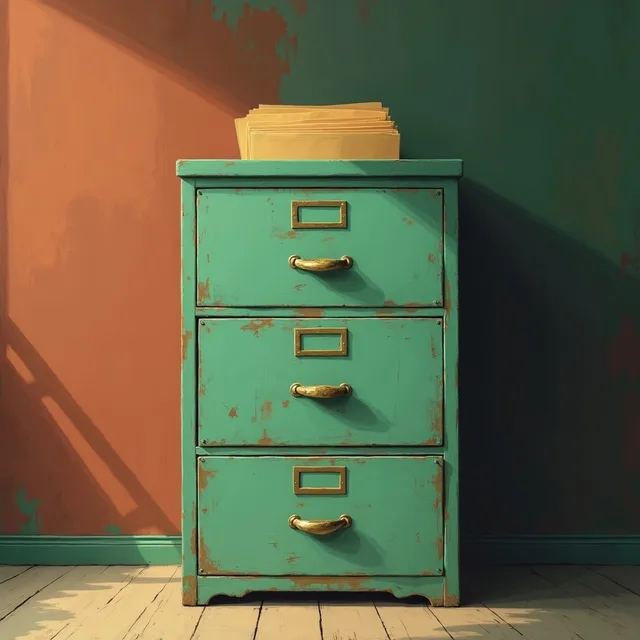
Your office in old San Juan: two desks, a filing cabinet, venetian light

The loop

You're not doing exercises. You're working a case.

The Spanish isn't a quiz bolted onto a game — it's the only way to get information out of people. Understand more, solve more.

1

Interview

Talk to witnesses, neighbours and suspects. Speak your reply out loud, or tap it — both work, always.

2

Investigate

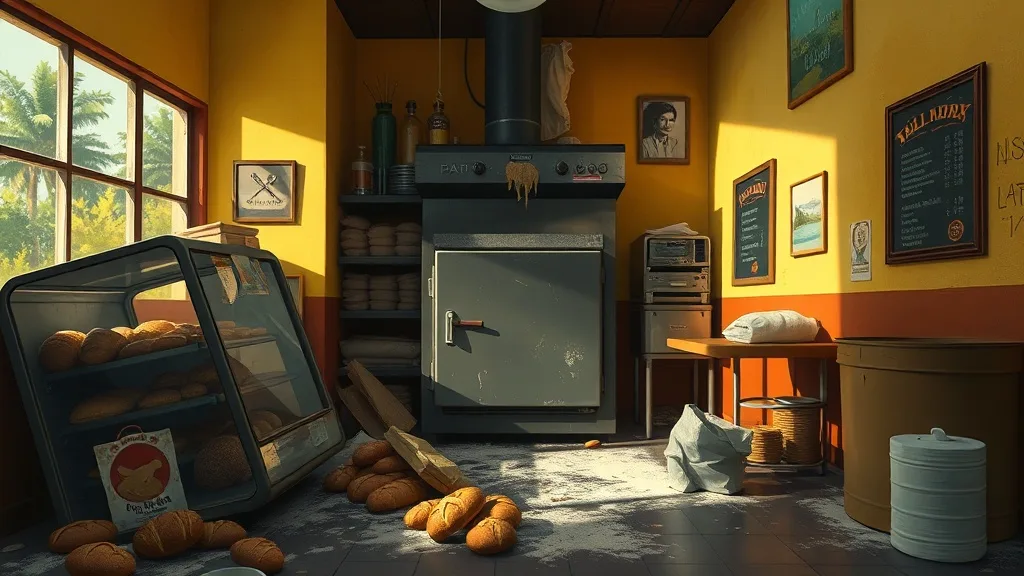
Search the bakery, the alley, the plaza. Evidence either backs up what you were told or quietly contradicts it.

3

Catch the lie

Pin a piece of evidence to a statement and prove it false. Some lies are in the words. One is in the accent.

4

Try the case

Argue it in front of a jury against an opposing attorney who talks fast and pounces on anything you left unproven.

La oficina

Everything on your desk is a door.

Your office is the hub: rotate through the case file, the filing cabinet where every mission lives as a manila folder, the flashcards, the telephone. When something needs you — words due for review, a client on the line — it moves to the front of the desk and wears a little blue dot.

A manila case folder tied with red stringEl expediente · the case you're working
A mint-green filing cabinet with a drawer openEl archivador · missions, filed as folders
A stack of index cards bound with a rubber bandLas fichas · review what you've learned
A coral rotary telephone mid-ringEl teléfono · side jobs that pay in practice
A turquoise cash box with coins insideLa caja · your chavos

Answer the phone and you might spend a shift on Doña Marisol's register — ringing up neighbours in Spanish numbers, counting their change in your head, and living with the reviews they leave.

Reading that teaches

You read English. It turns Spanish as you learn.

Day one, the whole interface reads in English. Every time a character teaches you a word, that word flips to Spanish — everywhere, permanently. Your screen slowly becomes the language, one earned word at a time. Tap any Spanish word and a bubble floats up with the translation — and a link to its full card: examples, the neighbourhood variants, and exactly who taught it to you, and where.

The signature mechanic

He says he's from San Juan.

Learn enough of how people actually talk and you'll hear it yourself: this man claims he grew up on the block, but he keeps reaching for words nobody here uses. Challenge him — but you have to name what gave him away.

  • Regional slang, taught in character. "Nena, aquí no decimos autobús — decimos guagua."
  • Real dialects. Puerto Rico, Spain, Mexico, Argentina, Colombia — each with its own vocabulary and sound.
  • Pronunciation coaching from the people you're interviewing, not a robot voice.

Witness · claims San Juan

"Salí a por el zumo y vi el coche aparcado ahí."

I went out for the juice and saw the car parked there.

That's not how they say it here. Zumo, coche, aparcar, salir a por — that's Madrid. On this block it's jugo, carro, estacionar. He's not from the neighbourhood.

It meets you where you are

Never a placement test.

Say you're starting from zero and you start from zero — no quiz, nothing to prove. Otherwise you just start talking to your client, and if she's going too fast, you ask her to slow down. Where you settle is your level.

  • The dial never disappears. Any witness, any case, any time — ask them to repeat it simpler.
  • It reads the room. Never open a translation and it quietly moves you up.
  • A1 to C1. The same scene, rewritten for the Spanish you actually have.
Doña Marisol, the baker

Doña Marisol · your client

"Me dejaron la panadería patas arriba, y ahora dicen que fui yo quien lo montó todo."

They left my bakery upside down, and now they're saying I'm the one who staged it.

Más despacio, por favor Le entiendo — siga

Tap the first one and she says the same thing again, simpler. She rephrases; she doesn't start over.

Case one

El Robo en la Panadería

Doña Marisol has fed this neighbourhood for thirty years. Now she's accused of wrecking her own bakery for the insurance money, and half the block is happy to say so. She's innocent. Prove it — in Spanish, to twelve people who need convincing.

Start the case